Home Theater & Private Cinema
Dedicated rooms engineered to Dolby Atmos and DTS:X spec — acoustics, projection, seating and light control unified.
Dolby Atmos 7.2.4Acoustic treatmentMotorized masking
Cinema, sound, light, climate and security — engineered as one system, on the platform that actually fits your home. Lutron. Control4. Savant. Josh.ai. RTI.







Theater and whole-home automation are the core of what we do — everything below is engineered to the same standard.
Dedicated rooms engineered to Dolby Atmos and DTS:X spec — acoustics, projection, seating and light control unified.
Lighting, climate, shades and entertainment unified under one interface, room by room.
Sunlight-adaptive shading and dimming curves tuned per fixture.
Room-modeled, measured and calibrated — not guessed from a spec sheet.
Wired backbone and enterprise-grade Wi-Fi sized to the house, not the router box.
Cameras, access and monitoring integrated into the same interface as everything else.
Weather-rated audio and lighting that extends the system past the back door.
Most integrators sell you the platform they're best at. We specify the one your home actually needs — then make it disappear.
RadioRA 3 for elegant retrofits and mid-size homes; HomeWorks QSX when the project calls for full architectural control. Hybrid wired-and-wireless topology, sunlight-adaptive shading, Ketra and Palladiom keypad options, and dimming curves tuned per fixture so every load — LED tape, cans, chandeliers, cove — comes up to the same warmth at the same rate.
The deepest driver library in the industry, which matters when your home has a Japanese soaking tub controller and a European boiler. Control4 OS 3+, Neeo and T4 touchpanels, Triad audio distribution, and 4Sight with remote access. When "it must integrate with everything" is the requirement, this is usually the answer.
Best-in-class interface design and the tightest lighting-plus-power story on the market, including Savant Power Modules and Storage for whole-home energy management. The right call when the client cares as much about how the keypad looks on the wall as what it does.
Natural-language control that doesn't sound like a phone tree. "Josh, movie time" dims the cans to 12%, closes the shades, drops the screen, warms the room two degrees and arms the perimeter. Local processing, no advertising business model, and microphones that can be architecturally concealed.
When the client wants a physical remote that does exactly what they expect, every time. RTI's Integration Designer gives us pixel-level control of every button, page and macro — nothing generic, nothing defaulted. Rock-solid two-way feedback over IP and serial.
For projects where the rack list runs to three pages. Crestron Home for streamlined residential deployments, full SIMPL/C# programming when the requirement genuinely demands it. Highest ceiling in the category, and the highest engineering bar to do it correctly.
No brand pays us to recommend them. We're authorized on all of them, which is exactly why we can tell you when one is wrong for your house.
Anyone can sell you speakers. Making a room disappear behind the music is a different discipline — and it's the one we're known for.
Before a single speaker is specified, we model the room: dimensions, ratios, boundary reflections, modal response. Bass traps in the corners, first-reflection absorption at the side walls and ceiling, diffusion on the rear. A $60,000 speaker in an untreated room loses to a $6,000 speaker in a treated one, every time.
Layouts built to the immersive-format spec, not to where the joists happened to land — Dolby Atmos 7.2.4 and 9.2.6, DTS:X, IMAX Enhanced. Aim angles calculated to the primary seat, subwoofers placed and phase-aligned by measurement, in-wall and in-ceiling enclosures back-boxed so the drywall isn't part of the loudspeaker.
Amplifier power calculated from driver sensitivity, listening distance and target SPL with real headroom — not guessed from a spec sheet. Balanced interconnects where run length demands it, dedicated circuits, clean power and surge protection, and a rack built and labeled so the next technician can read it.
Every system leaves with a measurement, not an opinion. Room correction via Dirac Live, Trinnov or Audyssey XT32 depending on the platform, then verification with a calibrated microphone: level-matched channels, corrected time alignment, a documented target curve, and the before/after handed to you.
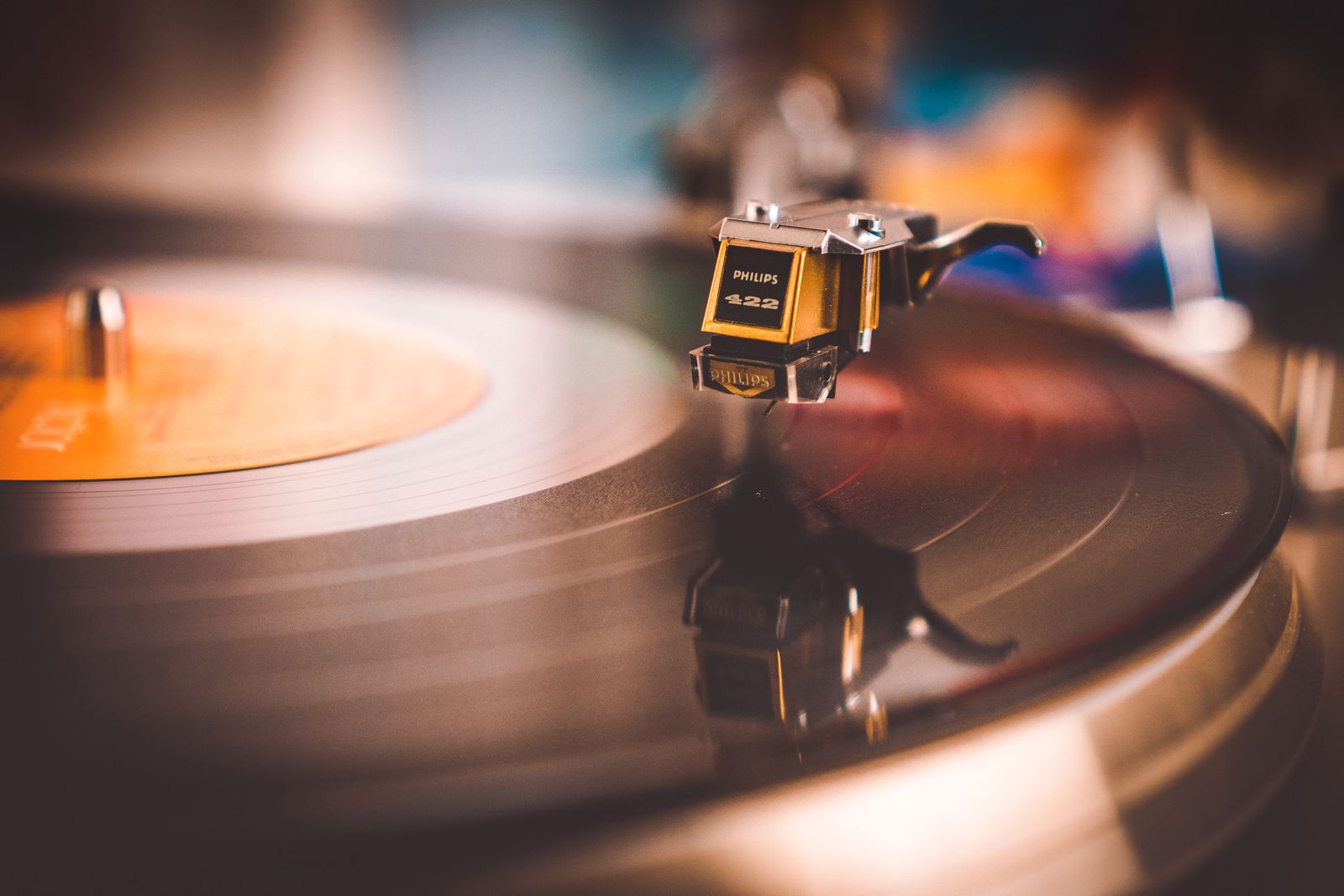
Kaleidescape for bit-perfect film with full-bandwidth lossless audio — no streaming compression. Roon for a library that's actually browsable. Lossless multi-room distribution over the network, not compressed re-encoding. High-resolution tiers where they measurably matter.
Six questions. A real scope, a real budget range, and a plan you can bring to your architect — in about three minutes.
Sets the wiring assumption for everything downstream.
Drives zone counts, access-point count, and rack sizing.
Select everything that applies — each adds a scope block below.
This shapes the acoustic and equipment plan.
This is what we use to recommend a platform.
Helps us calibrate the scope — not a quote.
Subject to site survey.
Two houses with identical equipment lists can feel completely different. The difference is the programming — and we don't ship defaults.
Certified programming in Control4 Composer Pro, Lutron Designer, RTI Integration Designer APEX, Savant Blueprint and Crestron Home. When a device has no driver — a specialty pool controller, a European HVAC unit, a wine cellar system — we write one against its API, IP or serial protocol.
A scene isn't a light preset. Movie Night runs a sequence: sources wake and settle first, lights fade over eight seconds rather than snapping, shades close in parallel, the screen drops, the AVR selects the right input and immersive mode, the thermostat compensates for eleven bodies in the room, and the perimeter arms. Order and timing are the craft.
Real rules, not toys. Sunset-tracking exterior lighting that shifts with the calendar. Vacation occupancy simulation from your actual usage history. Kids' devices that lose internet at 10pm on school nights. A doorbell that pauses the theater and puts the camera feed on screen. Leak detection that closes the main and texts you.
Purpose-built touchpanel and remote layouts, room by room. The guest-room panel shows four buttons. The theater remote shows what a theater remote should show. Nothing generic, nothing inherited from a template.
Every system we deploy is monitored — OvrC, Domotz or the platform's native tooling. We usually know a device dropped before you do, and most issues are resolved remotely without a truck roll. Optional support tiers with defined response times.
If you already have a system that never worked the way it was promised, we take over other integrators' installations. Bring us the rack and the frustration.
We walk the site, understand how you live, and scope what's realistic.
Rack elevations, wiring plans and platform selection, documented before anything is ordered.
Clean installation, then measured calibration to a documented target — not a guess.
One number to call, for as long as you own the house.
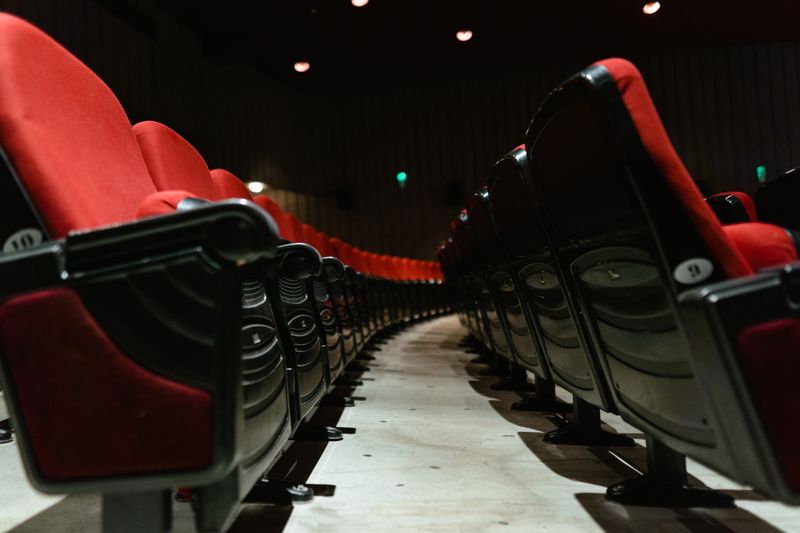 Media Room · Control4 + Triad
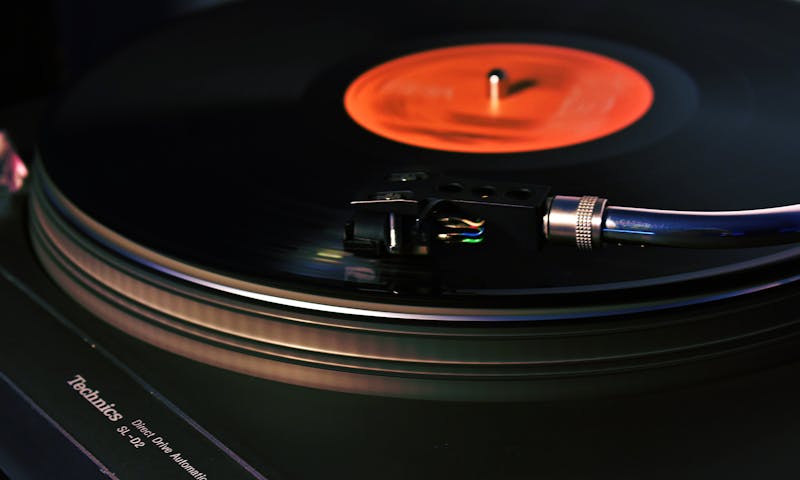 Listening Room · McIntosh
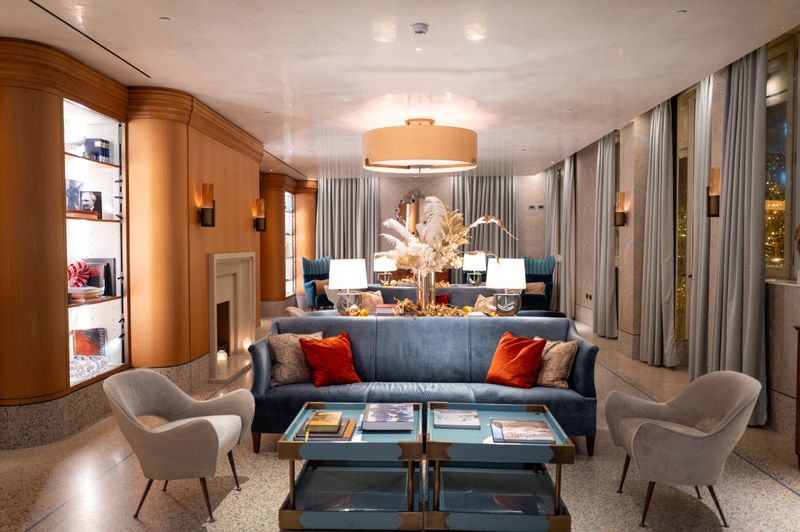 Great Room · Savant
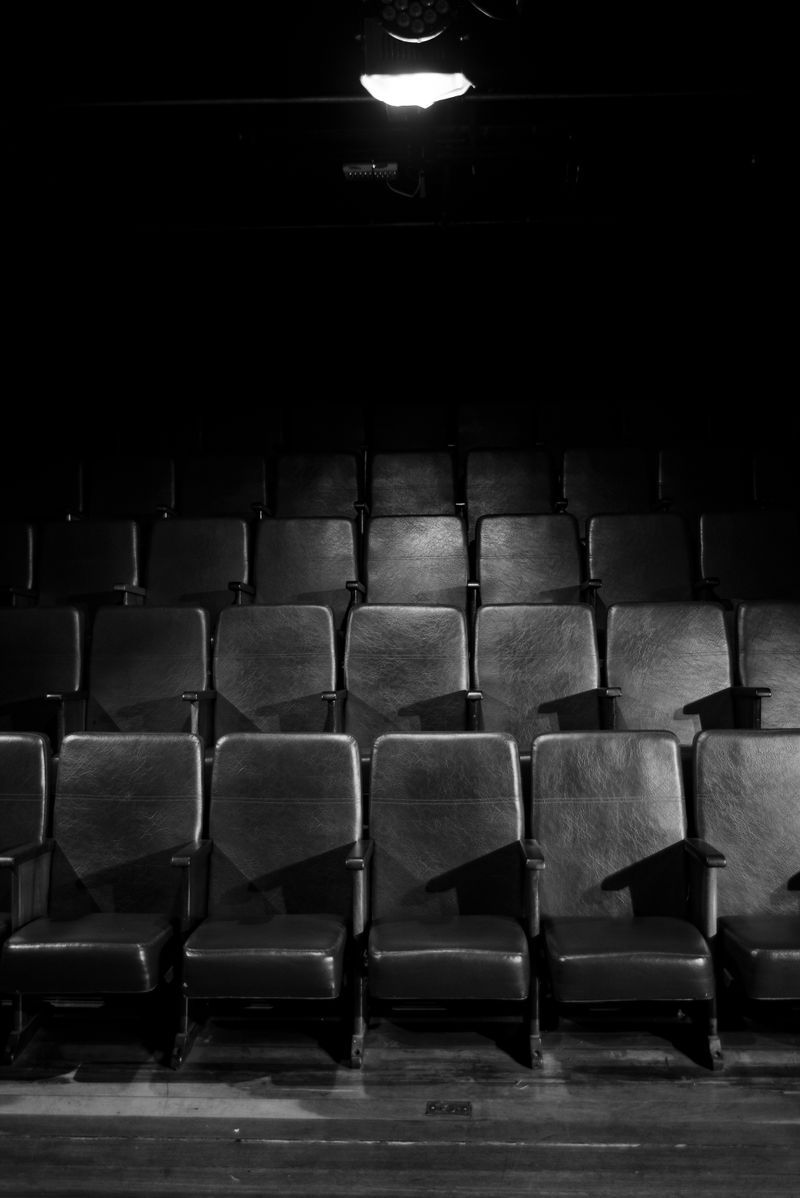 Private Cinema · 9.2.6
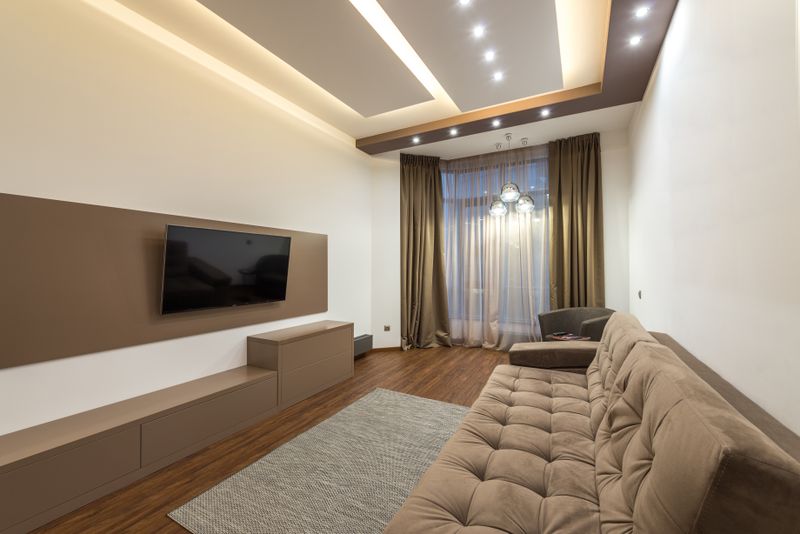 Media Room · Crestron
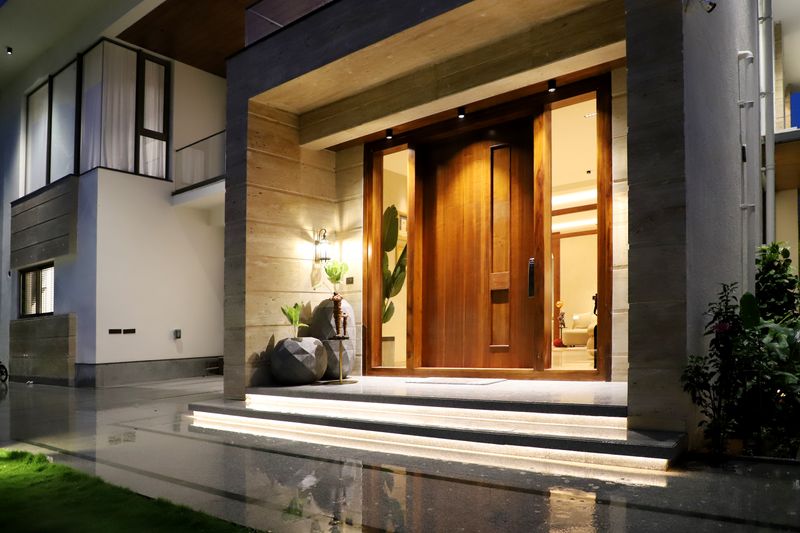 Exterior · Lutron
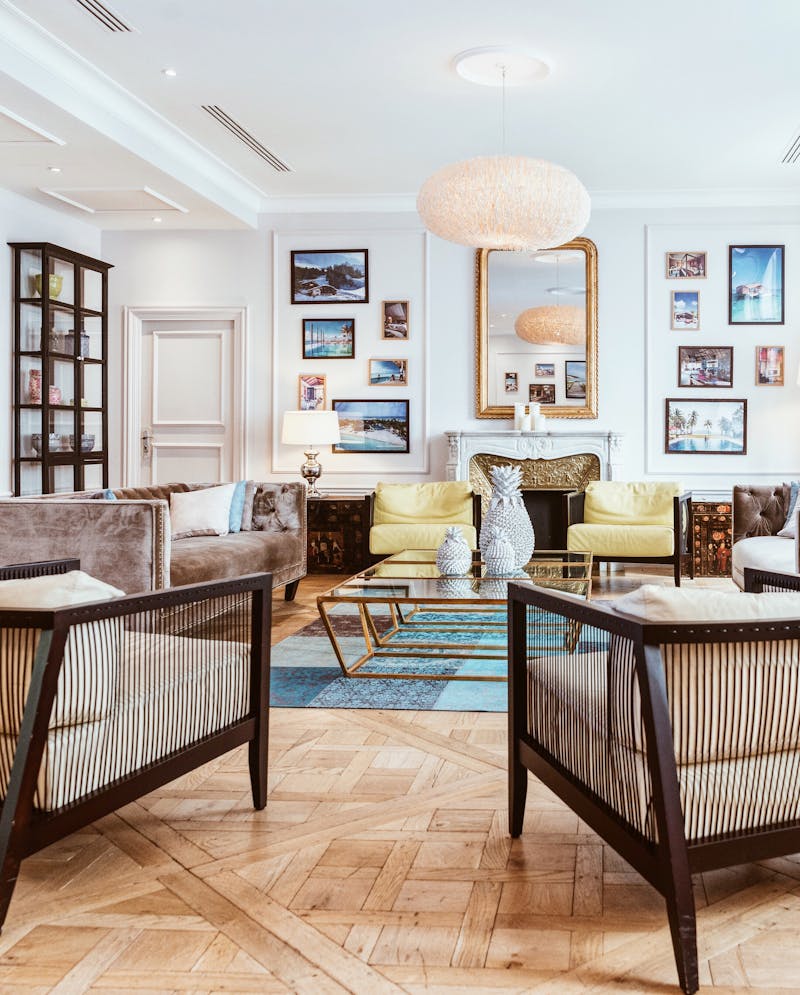 Living Room · RTI
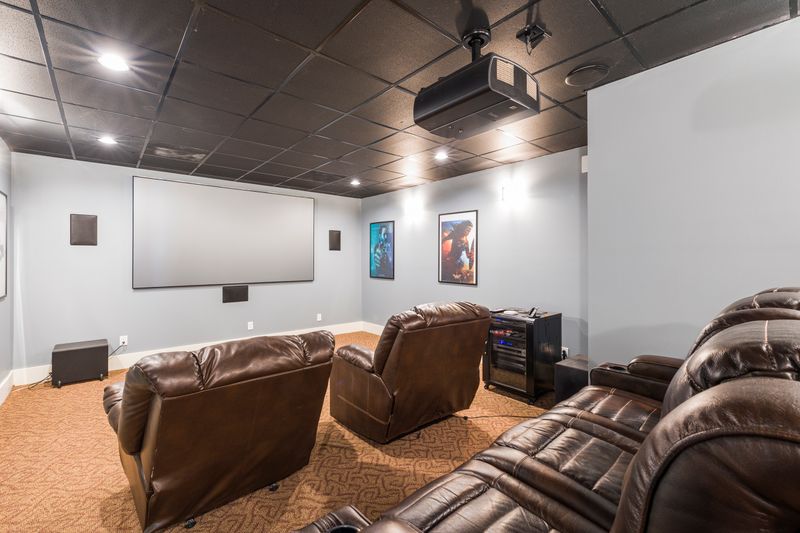 Home Cinema · Josh.ai
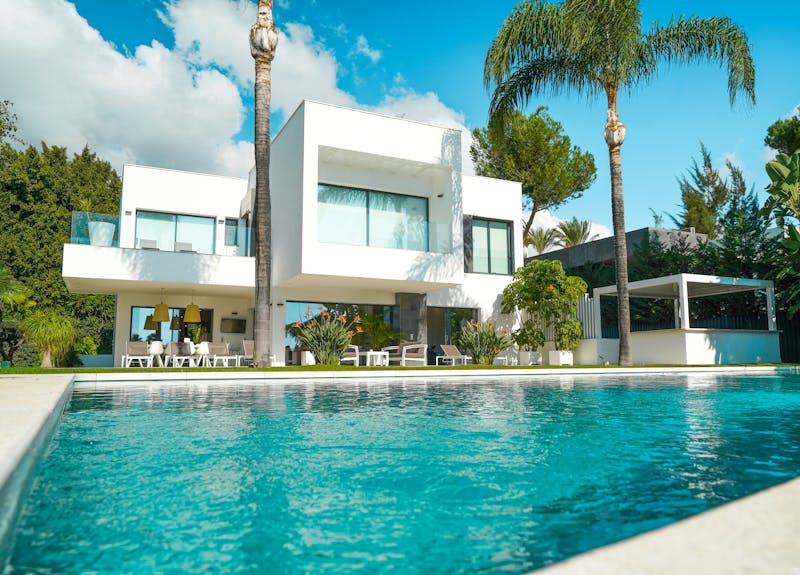 Outdoor · Landscape Audio
Project photography from installations in progress — full portfolio available at consultation.

AV Media Concepts engineers the systems that make New Jersey's finest homes feel effortless — cinema, sound, light, climate, and security, unified under one interface and one accountable team.
We work with homeowners across Middlesex, Monmouth, Somerset and Union County building or renovating $1.5M+ homes, and with the architects, designers and builders who represent them.
Most whole-home projects run from $50,000 to $300,000+ depending on square footage, scope and finish level. Single-room projects like a dedicated theater start around $25,000. Every number is an estimate until we've walked the site — use the Design Studio above for a scoped range.
No. We're authorized across Lutron, Control4, Savant, Josh.ai, RTI and Crestron and we mix platforms when it serves the house — Lutron for lighting, Control4 for AV, for example. The system is chosen for your home, not for our margin.
Yes — send us the plan set and we'll produce a low-voltage and rack plan before walls close. Pre-drywall is the ideal time to bring us in on new construction.
Every system we deploy is remotely monitored, so we frequently catch and resolve issues before you notice them. For active support tiers, you have one number to call — not a brand's national help line.
Yes. We regularly inherit systems with undocumented programming or abandoned support contracts. Bring us the rack and the frustration — we'll audit what's there before recommending a path forward.
As early as possible on new construction or a gut renovation — ideally at the framing stage, so wiring and rough-in happen once, correctly. For a finished home, retrofit timing is flexible.
Not always. Platforms like Lutron RadioRA 3 are built for wireless retrofits into finished homes. Where wired infrastructure is worth the investment — networking backbone, in-wall speakers — we'll tell you plainly why.
None are required, but optional monitored support plans exist for households that want proactive issue resolution and priority response. We'll size one to your system, not upsell you into one.
Tell us what you're building. We'll show you what an engineered, single-point-of-contact system could look like — no pressure, no jargon.